

Cats rarely announce that they are anxious. They hide, over-groom, stop using the litter box or follow you from room to room. Owners who want calmer days for their cat are looking at CBD (cannabidiol, a non-intoxicating compound from the hemp and cannabis plant) because feline research has started to show what it can do. Small trials have measured calmer behavior after separation and smaller fear reactions during stressful events. The best results come from a THC-free product, a dose worked out per kilogram of body weight, and a vet who knows your cat’s medications. This guide covers all three.
TL;DR
- A 2024 crossover study found cats given CBD stayed closer to their caregiver after a short separation than cats given placebo.
- A 2025 study of 80 cats found a single oral dose reduced fear-related changes in body temperature, heart rate and breathing during a stressful encounter.
- Trials used 2 to 4 mg of CBD per kilogram of body weight, and a 2025 review calls that range safe when given orally once or twice daily.
- Choose a THC-free pet formula made for cats, check the lab report, and review every medication with your vet first, especially for senior cats.
- Our pet CBD range is for adults in Canada.
Table of Contents
- What anxiety looks like in a cat
- What feline studies found about CBD
- Dosing: how trial doses translate to your cat
- Safety: what to check before the first dose
- CBD for senior cats
- Appetite and sleep
- Calming a nervous cat beyond CBD
- Choosing a CBD product for your cat
- Where to find CBD for your cat
- FAQ
- Sources
What anxiety looks like in a cat
Cat stress is easy to miss because cats hide it. Common signs include:
- Hiding for long stretches, especially after a change at home
- Over-grooming, or bald patches from licking
- Urinating or defecating outside the litter box
- Constant vocalizing, particularly at night
- Clinging to one person, or panic when that person leaves
- Dilated pupils, flattened ears and a tense, crouched body at the vet or in the carrier
Triggers are usually predictable: a move, a new pet or baby, loud events like fireworks, travel, or being left alone. Your first move is always the same. Make a list of when it happens, then see your vet to rule out pain, thyroid disease and other medical causes. Cats often act anxious when something physical is wrong, and a sudden change in appetite or litter habits deserves an exam before any supplement.
What feline studies found about CBD
CBD research in cats is young, but several controlled studies now exist. Here are the ones most relevant to anxiety.
Separation anxiety
In a 2024 study published in Heliyon, 10 healthy cats received 4 mg/kg of CBD daily for two weeks. After a brief separation from their caregiver, the cats spent significantly more time near the caregiver on CBD than on placebo (p < 0.01). The authors read this as an anxiety-reducing effect on separation-related behavior.
Fear during stressful encounters
A May 2025 study in Veterinary Sciences followed 80 cats through a fear-inducing dog exposure. A single 2 mg/kg oral dose of CBD reduced fear-related changes in surface temperature, heart rate and respiratory rate. Of the options compared, CBD showed the most evident differences. The authors suggest CBD as support during routine procedures such as transport and veterinary visits.
How the compound is thought to work
A 2024 position statement from a European veterinary behavior group explains that CBD’s calming effects involve CB1, 5-HT1A and TRPV1 signaling. These are receptor systems linked to mood and stress. It also describes a bell-shaped dose-response curve. In practice, moderate doses are where benefits are expected, and more is not automatically better.
Where the evidence points
A September 2025 review of cat studies in the Journal of Feline Medicine and Surgery looked at placebo-controlled, blinded trials of CBD-rich hemp products. It concluded that 2 to 4 mg/kg given orally once or twice daily is a safe range for cats. A 2026 mini-review in the Journal of Small Animal Practice describes CBD as a supportive option for chronic stress conditions, best used alongside other care rather than as the only tool. That fits how most owners use it: CBD as one part of a calmer routine.
Dosing: how trial doses translate to your cat
CBD doses for cats are calculated by weight, not by the bottle’s suggested serving for humans or dogs. The trials above used 2 to 4 mg per kilogram of body weight.
Here is the arithmetic for a typical household cat:
- Weigh your cat. A 10 lb cat is about 4.5 kg.
- Multiply by the mg/kg figure. At 2 mg/kg, that is about 9 mg of CBD. At 4 mg/kg, about 18 mg.
- Read the label for mg of CBD per milliliter or per serving, then work out how much of the product delivers that amount.
The European behavior group suggests, for clinical behavior cases, starting at 2.5 mg/kg twice daily under veterinary supervision. Because researchers advise beginning low while drug interactions are still being understood, as the 2024 review of cannabis in veterinary medicine notes, start at the low end and let your vet set the schedule. Cats are small, and a tincture that is concentrated for a large dog can overshoot quickly if you eyeball drops.
Timing matters too. The Merck Veterinary Manual reports an oral elimination half-life in cats of 6.7 to 13.2 hours, which is why studies often split doses across the day. For a known stressor like a carrier trip, the 2025 thermography study used a single dose given ahead of the event. Ask your vet how far in advance to give it for your cat.
Safety: what to check before the first dose
CBD is well tolerated in the cat research, and a few simple checks keep it that way.
Keep THC out
THC is the intoxicating compound in cannabis, and cats are sensitive to it. In a dose-escalation study of 20 cats, groups given THC showed lethargy, wobbliness, third-eyelid protrusion and tremors, and effects lasted longer when CBD was given together with THC. Choose a product made for pets, marketed as THC-free, and never share your own cannabis or human edibles. Keep all cannabis products out of reach, and call your vet or an emergency clinic right away if your cat shows tremors, stumbling or unusual sleepiness after possible exposure.
Read the label and the lab report
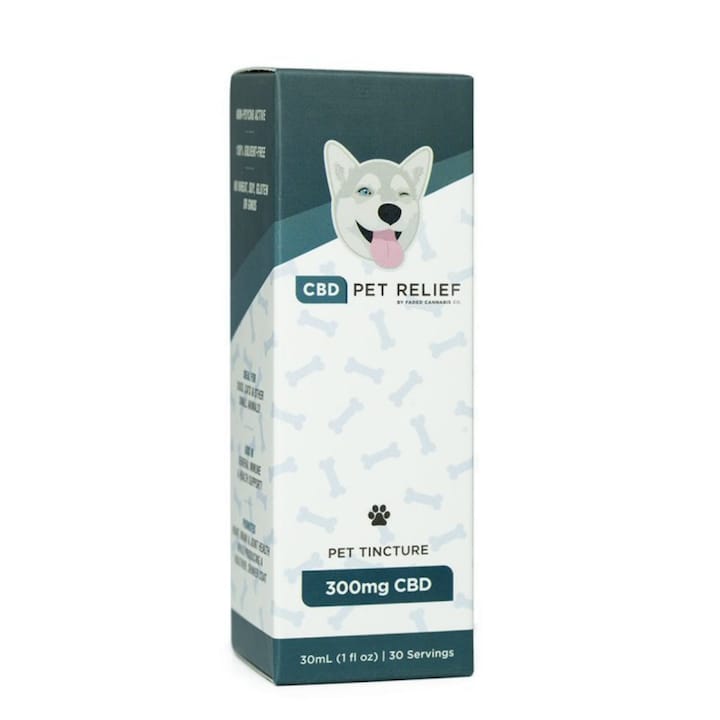
The Merck Veterinary Manual notes that poorly made products can have inaccurate CBD content or contain THC or contaminants. Before you buy, look for:
- A clear mg of CBD per bottle and per milliliter or serving
- A batch lab report (certificate of analysis) showing cannabinoid content and a THC result
- A carrier oil suited to pets, introduced gently. Digestive upset in one study also showed up in the placebo-oil group, so the oil can be the cause rather than the CBD.
- A formula designed for animals, not a human product with unknown flavorings
The European behavior group also recommends products under 0.3% THC and, for behavioral use, favors CBD isolate over full-spectrum products.
Watch the liver
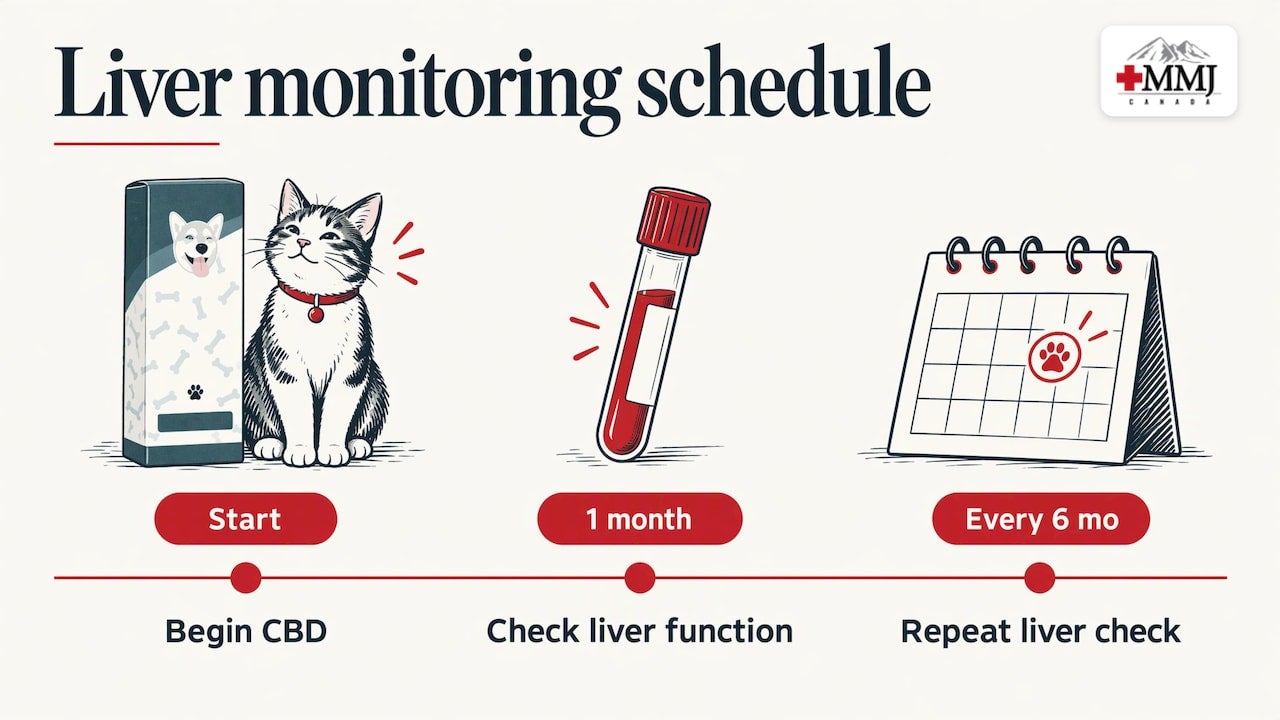
In a long-term study, two cats on 4 mg/kg of CBD isolate were removed after four weeks for suspected liver inflammation, though the remaining cats showed no group differences in blood parameters over six months. The Merck manual says elevated liver enzymes in one cat abated after the product was stopped and that monitoring may be indicated with chronic use. The European group suggests checking liver function one month after starting and every six months after that. Ask your vet to schedule bloodwork and a recheck, which makes daily use much easier to manage.
Medications and interactions
CBD is processed by the same liver enzyme family (cytochrome P450) that handles many drugs. Reviews list possible interactions with opioid painkillers, blood pressure drugs, SSRIs, tricyclic antidepressants, anti-anxiety drugs and steroid anti-inflammatories. If your cat takes any prescription, show your vet the exact CBD label before the first dose.
Side effects owners notice
In trials, side effects were mild and inconsistent: occasional lethargy, and stomach upset that sometimes appeared in placebo groups too. Stop the product and call your vet if your cat vomits repeatedly, refuses food, seems unusually sleepy, or has yellowing of the gums or eyes.
CBD for senior cats
Older cats often carry both anxiety and aches, and the two feed each other. A cat with sore joints may hide, resist handling or avoid the litter box.
A 2025 pilot study followed 14 cats averaging 14 years old, with osteoarthritis. They received 2 mg/kg of a CBD/CBDA-rich product every 12 hours. Pain scores fell from 14.6 to 10.1 over four weeks (P < 0.01), with no changes in liver or kidney markers, including in cats with stage 2 chronic kidney disease and hyperthyroidism.
For your senior cat:
- Book a senior exam with bloodwork first, so you have a baseline for liver and kidney values.
- Tell your vet about every drug and supplement, since older cats often take several.
- Start at the low end of the dose range and raise it only on your vet’s advice.
- Recheck bloodwork during use, as the research suggests for long-term dosing.
If your senior cat has kidney disease, heart disease, thyroid disease or high blood pressure, your vet should approve the plan before you begin.
Appetite and sleep
Owners often ask whether CBD changes eating or sleeping. A cat that is stressed may eat less or sleep restlessly, so a calmer cat can show a more settled routine. But loss of appetite lasting more than a day or two in a cat is a reason to see a vet, not to adjust a supplement. For a closer look at the sleep question in general, see our guide to CBD for sleep, which explains what the research shows for people and how dose and timing work.
Calming a nervous cat beyond CBD
CBD works best as part of a plan. These steps support it:
- Give your cat safe spaces. Vertical perches, covered beds and quiet rooms let cats retreat.
- Keep routines steady. Feed and play at consistent times.
- Prepare for travel. Leave the carrier out for days, lined with a familiar blanket, and take short practice trips.
- Use pheromone diffusers. Synthetic facial pheromones were part of the 2025 fear study’s comparison.
- Plan for known stressors. Set up a quiet interior room before fireworks or visitors.
- See a vet or veterinary behaviorist for persistent problems. The European behavior group states CBD cannot replace a behaviorist’s assessment and a behavior modification program.
Choosing a CBD product for your cat
Use this short checklist:
- THC-free and made for pets. Pet formulas are made with animals in mind.
- A tincture you can measure. Liquid tinctures let you dose per kilogram in small steps, which suits a cat’s size better than a large chew.
- Clear CBD content. Total mg per bottle and mg per milliliter let you do the weight math.
- A batch lab report. It confirms what is inside.
- A flavor your cat accepts. Mixing a measured amount into a small portion of wet food works for many cats.
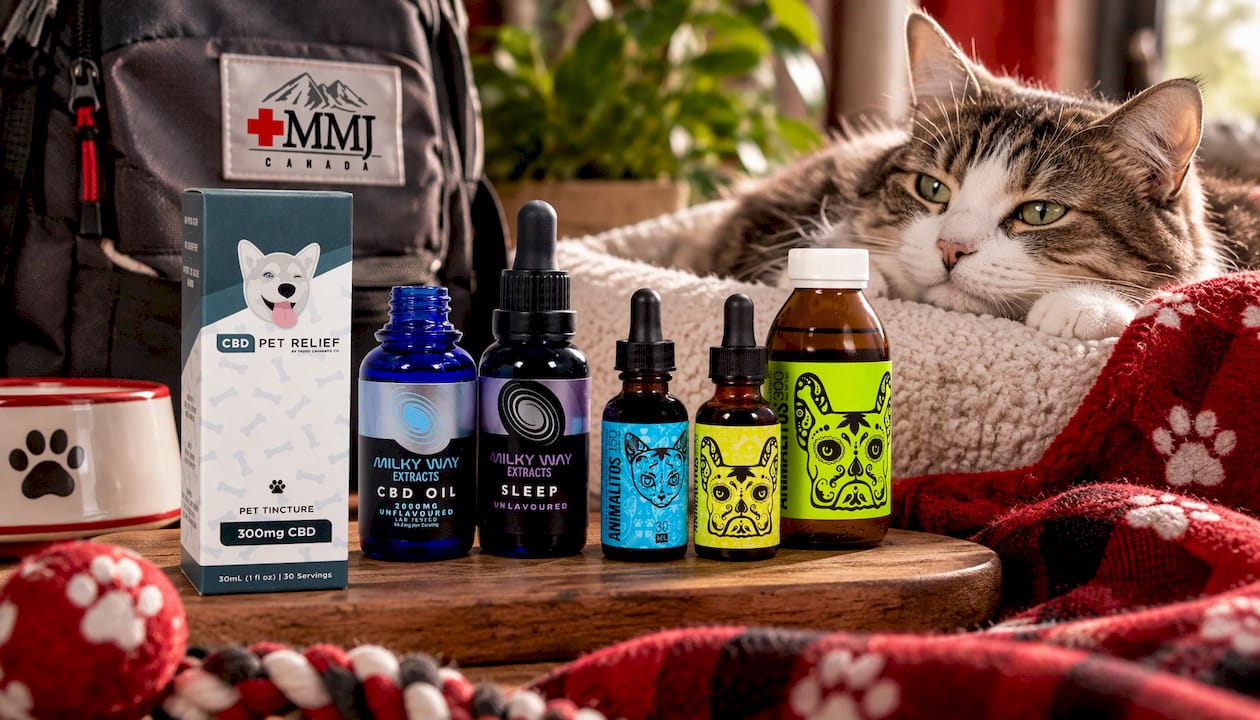
Our CBD pet products are lab-tested and sold in line with Canadian regulations. Two tinctures are worth a look when you are ready to compare: Faded Cannabis Co. CBD Pet Tinctures and the MOTA Animalitos CBD Pet Tincture (150mg to 300mg). Bring the label to your vet, and they can help turn it into a dose for your cat’s weight.
Where to find CBD for your cat
MMJ Canada is an online retailer of lab-tested cannabis and CBD products for adults in Canada, with a dedicated range of CBD and wellness products for pets. Browse the pet CBD category to compare tinctures and read each product’s details, or see the wider CBD products collection.
If you also care for a dog, our guides to CBD soft chews for dogs and CBD for dog arthritis cover dose and label checks for them.
FAQ
Can CBD help a cat with separation anxiety?
In a 2024 crossover study of 10 cats, 4 mg/kg of CBD daily for two weeks led cats to stay closer to their caregiver after a short separation than on placebo. Pair it with gradual departures, enrichment and a steady routine. Persistent distress should be assessed by your vet.
How much CBD should I give my cat?
Trials used 2 to 4 mg per kilogram of body weight, and a 2025 review called that oral range safe once or twice daily. A 10 lb (4.5 kg) cat at 2 mg/kg is about 9 mg. Your vet should confirm the dose and schedule for your cat, particularly if it takes other medications.
Is CBD safe for senior cats?
A 2025 pilot study in 14 cats averaging 14 years old found 2 mg/kg every 12 hours caused no changes in liver or kidney markers over four weeks. Get baseline bloodwork, review all medications with your vet and schedule rechecks during use.
What should a cat CBD product contain?
Look for a pet formula with no THC, a stated CBD amount per bottle and per serving, and a batch lab report. Tinctures let you measure small, weight-based doses.
Sources
- Is cannabidiol (CBD) effective to ease separation anxiety? (Heliyon, 2024)
- Infrared Thermography and Physiological Variables as Fear Indicators in Cats (Veterinary Sciences, 2025)
- Cats and cannabinoids: past, present and future (JFMS, 2025)
- Cannabidiol use guidelines in behavioral medicine (ESVCE position statement, 2024)
- Toxicosis in Dogs and Cats From Cannabidiol (CBD), Merck Veterinary Manual
- Cannabis sativa in veterinary medicine: Foundations and applications (2024)
- Cannabidiol in small animal practice: current evidence (Journal of Small Animal Practice, 2026)