

CBD (cannabidiol) is a non-intoxicating compound from the cannabis plant, and it is one of the most popular things people try when they want to unwind and sleep better. Recent reviews point to possible benefits for sleep quality, especially when stress or pain keep you awake, and the dose, the timing and the quality of the product decide most of your experience. This guide covers what studies have found, how to start, which form suits which routine and how to stay safe. Our CBD products are lab-tested and sold in line with Canadian regulations to adults in Canada.
TL;DR
- Several 2025 and 2026 reviews report that CBD, mainly at low-to-moderate doses, may modestly improve subjective sleep quality, particularly when anxiety or chronic pain is part of the picture.
- Dose matters: Health Canada’s advisory committee found that higher doses tend to promote sleep while lower doses can delay it.
- Start low, take CBD at the same time each evening, and give it a few nights before you change the amount.
- Check the CBD per serving and the type of extract on the label, and talk to your doctor first if you take medication or have a diagnosed sleep disorder.
- Our Hippo CBD Sleep-Aid Tincture and CBD gummies are made for evening routines.
Table of Contents
- Why people reach for CBD at bedtime
- What the research says
- How much CBD for sleep?
- Oil, gummies or something else?
- Reading a CBD label for sleep
- Safety: who should be careful
- Shop CBD for evening routines with us
- What to expect, and when to adjust
- FAQ
- Sources
Why people reach for CBD at bedtime
A poor night is rarely only about the bed. Racing thoughts, muscle tension and a body that will not switch off are among the most common reasons people lie awake. CBD attracts attention because it is associated with calm and relaxation, and because it does not cause the high that THC does.
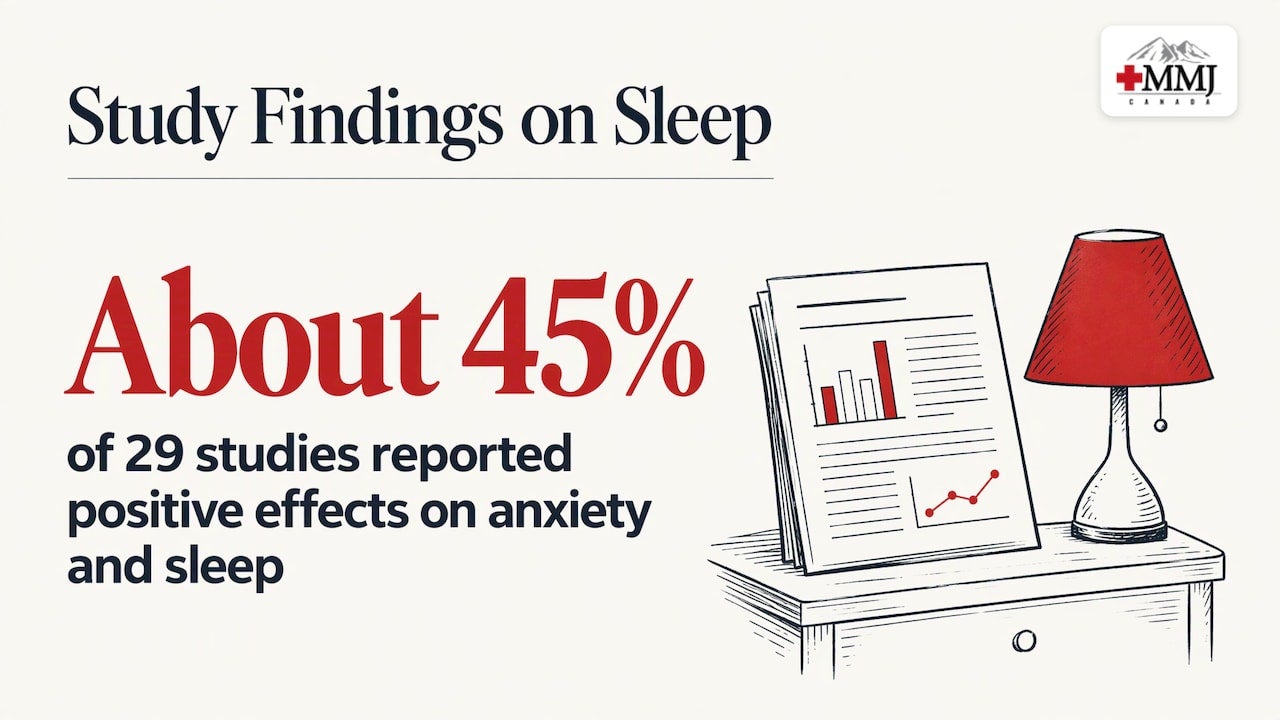
A 2025 scoping review of 29 studies found that cannabinoids, particularly CBD, showed potential for easing anxiety symptoms and sleep disturbances. About 45% of the studies reported positive effects on both. That link matters: if stress is what keeps you up, a compound that helps you feel calmer may also help you drift off.
It also explains why the keyword splits into two searches. Some people want CBD for relaxation in the evening, others want CBD to help them sleep. In practice the two overlap, and the routine below serves both.
What the research says
The science is still developing, and the most useful way to read it is by looking at what each type of study measured.
Reviews that point to benefit
- A December 2025 review concluded that low-to-moderate CBD doses may modestly improve subjective sleep quality, particularly with co-occurring anxiety or chronic pain, with efficacy generally comparable to melatonin. It also reported a favorable safety profile.
- A 2026 systematic review and meta-analysis of medical cannabis for insomnia in adults found it may reduce sleep disturbance and daytime sleepiness while increasing total sleep time. CBD doses of 50 to 300 mg were reported as safe and effective, and CBD below 50 mg worked only when combined with CBN, another cannabinoid. Formulations containing THC showed no significant sleep improvement and more adverse effects.
- A 2025 meta-analysis of randomized studies covering 1,077 patients linked cannabinoids to improved sleep quality in people with and without insomnia.
That third point has a practical lesson. The 2026 analysis found that adding THC did not help sleep and brought more side effects. If sleep is your goal, a THC-free approach is a sensible place to start, and our guide to THC-free medical marijuana products explains how those products are built.
A closer look at one trial
A 2024 randomized pilot trial in Australia gave adults with moderate-to-severe insomnia 150 mg of CBD every night. Self-reported sleep quality improved after one week. The researchers also noted that nightly dosing may let CBD build up in the body, and that the best dose range has yet to be defined. For you, this suggests keeping a short sleep diary: how long it took to fall asleep, how often you woke and how you felt in the morning.
Why doses vary so much
Studies have used anything from 15 mg to several hundred milligrams. A 2024 mechanisms review describes an early trial in which 160 mg increased subjective sleep duration, and it proposes that CBD’s sedation at higher doses may come from lowering cortisol, a hormone that promotes wakefulness. A 2022 literature review also found that medium-to-high doses lengthened the time before REM sleep, the dreaming stage, while medium-low doses shortened it.
The practical message is that CBD is dose-sensitive. Treat the first weeks as a calibration period.
How much CBD for sleep?
There is no official sleep dose. Two reference points help.
- Health Canada’s safety range. Its Science Advisory Committee agreed in 2022 that CBD is safe and tolerable for short-term use, up to 30 days, at 20 to 200 mg a day taken by mouth by healthy adults.
- Study doses. The research above used 50 to 300 mg in a meta-analysis and 150 mg in the nightly pilot trial.
A liver note belongs here. A 2026 German review reports that raised liver enzymes (transaminases) appeared in clinical studies at about 300 mg a day over three to four weeks. Staying inside the Health Canada range is a sound way to keep a wide margin.
A simple starting routine
This is general guidance for healthy adults, not medical advice.
- Night 1 to 3: take a low serving, for example 10 to 20 mg of CBD, 30 to 60 minutes before bed.
- Night 4 to 7: if you notice little, raise the serving in small steps, staying within the 20 to 200 mg a day range.
- Keep the timing steady: the same time each evening helps you judge the effect.
- Keep notes: record the serving, bedtime, how long you took to fall asleep and how you felt the next day.
- Reassess after a few weeks: the Health Canada safety finding applies to short-term use, so check in with your doctor before turning CBD into a long-term habit.
Taking CBD with a snack that contains fat is a commonly shared tip, and it is reasonable to try. Keep the rest of your routine steady too: a dark room, a consistent bedtime and no screens in the last hour.
Oil, gummies or something else?
The best form depends on how you like your evening to go.
| Form | How it works in a routine | Good fit for |
|---|---|---|
| Tincture (oil) | Measured with a dropper, so you can adjust the serving in small steps | People who want to fine-tune the dose |
| Gummies | Pre-portioned, taste good, take longer to digest | People who want simplicity and a ritual |
| CBD topicals | Applied to skin | Local tension, as a wind-down habit |
| Beverages | A drink in the evening | People who prefer a liquid routine |
Tinctures are the easiest way to learn your dose, because you control every drop. Our Hippo CBD Sleep-Aid Tincture is made for exactly this evening use, and our guide to cannabis tinctures walks through how they are taken.
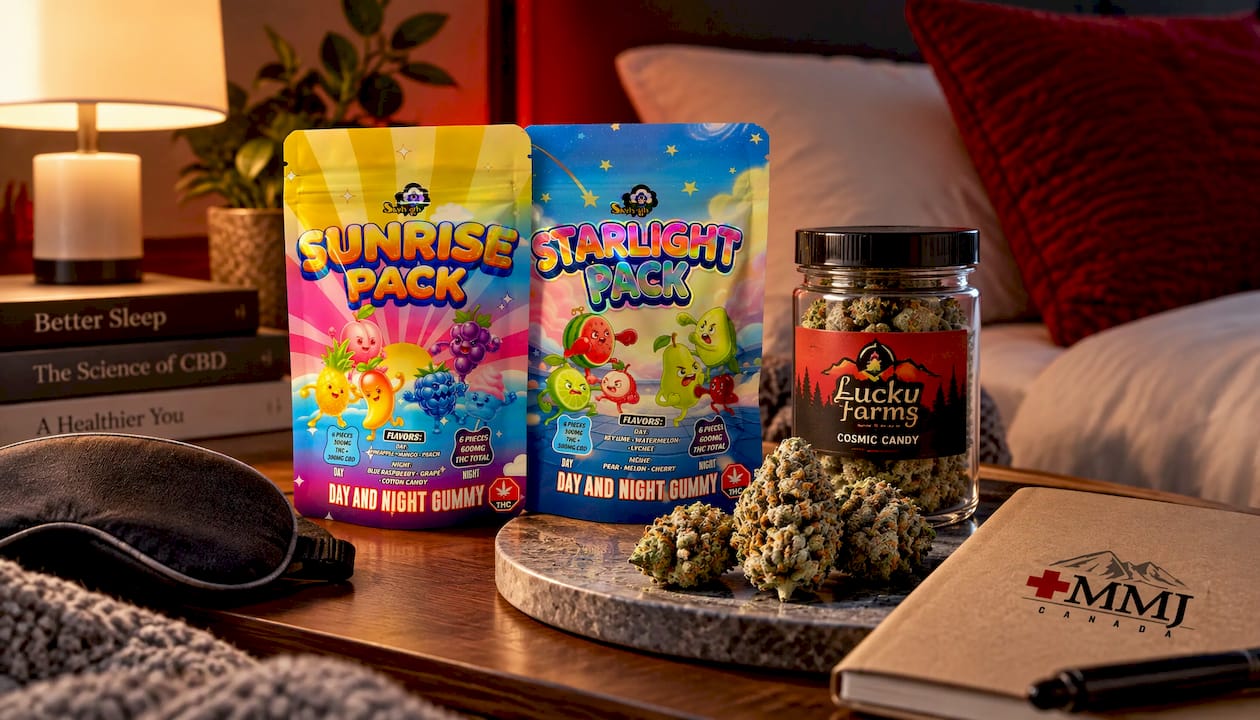
Gummies suit people who want a fixed amount with no measuring. Since gummies pass through digestion, plan on taking them a little earlier than you would a tincture, so they are working by the time you turn off the light. Browse our edibles, including the Sky High Day and Night Gummies.
If stress is your main trigger, our article on CBD and THC for anxiety may help you decide what to reach for during the day, so that evenings start calmer.
Reading a CBD label for sleep
A good sleep routine starts with a product that contains what it says. Three label points do most of the work, drawing on Healthline’s CBD labeling guide:
- CBD per serving. Look at milligrams per serving, not only the total in the bottle. A 1000 mg tincture holds many servings, and the serving size tells you how much you take in one dose.
- Type of extract. Isolate contains only CBD, broad-spectrum contains other cannabinoids without THC, and full-spectrum may contain trace THC. If you prefer to avoid THC, choose accordingly.
- Independent lab results. A certificate of analysis from a third-party lab shows the cannabinoid content, and heavy metal and pesticide results with a pass status.
All products we sell are lab-tested, and we sell them in line with Canadian regulations. That is one reason to buy from a retailer that stocks a wide range, so you can compare serving sizes and formats side by side.
Safety: who should be careful
CBD is well tolerated by many adults, yet it is an active compound and deserves respect.
Possible side effects. The MSD Manual lists dry mouth, low blood pressure, diarrhea, decreased appetite, mood changes, light-headedness, fatigue and sleepiness. The NCCIH also lists decreased alertness among them. Do not drive or operate machinery if you feel drowsy.
Medication interactions. The MSD Manual explains that CBD is processed by the liver enzymes CYP3A4 and CYP2C19. Drugs that use the same enzymes can raise the level of either substance. Named examples include anticoagulants, proton pump inhibitors, nicotine and lithium. If you take any prescription medicine, talk to your doctor or pharmacist before you start CBD.
Alcohol and sedatives. The FDA warns that CBD combined with alcohol or with drugs that slow brain activity, including some used for anxiety or sleep disorders, raises the risk of sedation and drowsiness. Keep your evening drink and your CBD apart.
Who should see a doctor first. Health Canada’s committee said that severe anxiety, severe pain and diagnosed insomnia call for practitioner supervision rather than self-directed use. If you have been told you have a sleep disorder, or if you are pregnant or breastfeeding, speak with your doctor before using CBD.
Adults only, and know your local rules. CBD is for adults. Rules differ by country: our shop serves adults in Canada, while in the United States the FDA has approved only one CBD medicine, a prescription drug for certain seizure disorders, and its rules for CBD in foods and supplements are separate.
If waking at night is tied to pain, our article on cannabis for chronic pain covers that side of the picture.
Shop CBD for evening routines with us
We stock CBD oils and gummies, topicals, beverages and wellness products for pets, all lab-tested and sold in line with Canadian regulations to adults in Canada. If you want a tincture built for the evening, start with the Hippo CBD Sleep-Aid Tincture. If you prefer a gummy, see the Sky High Day and Night Gummies, or browse the full CBD range.
If you would rather compare products by format, our topicals and beverages pages show the other ways to build a calming evening ritual.
What to expect, and when to adjust
CBD works gradually for many people rather than like a switch. The pilot trial mentioned above saw a benefit in self-reported sleep after the first week, so give a routine about a week before judging it. Then ask three questions:
- Am I falling asleep more easily?
- Am I waking less often, or settling faster after I wake?
- Do I feel clear in the morning, with no grogginess?
If the answer to the third is no, lower the serving or move the time earlier. If you see no change at a serving inside the range discussed above, keep notes and discuss them with your doctor rather than raising the amount well beyond it.
When you shop, remember the 2026 finding on THC: for sleep, THC-free choices fit the evidence best. Keep serving sizes consistent while you test one product at a time, so you know what is responsible for any change.
FAQ
Does CBD really help you sleep?
Reviews published in 2025 and 2026 report that CBD may modestly improve self-reported sleep quality, especially when anxiety or pain is involved. Results depend on dose, product and the person. Treat it as one part of a routine that also includes consistent bedtimes and a calm environment.
How long before bed should I take CBD?
A tincture is usually taken 30 to 60 minutes before bed, and gummies a little earlier because they are digested first. Take it at the same time each night for a week so you can judge the effect clearly.
Is it safe to take CBD every night?
Health Canada’s advisory committee found CBD safe and tolerable for short-term use of up to 30 days at 20 to 200 mg a day in healthy adults. For longer use, check in with your doctor, especially if you take medication or have a liver condition.
What is the difference between CBD and THC for sleep?
CBD does not cause a high and is the compound most studied for calm and relaxation. A 2026 meta-analysis found that THC-containing formulations showed no significant sleep improvement and came with more adverse effects. For bedtime, many adults begin with THC-free CBD.
Sources
- Cannabinoids for Anxiety and Sleep Disturbances: A Scoping Review (2025)
- The Impact of Cannabidiol (CBD) on Sleep Quality: A Review (2025)
- Medical cannabis for treatment of insomnia in adults: a systematic review and meta-analysis (2026)
- Effectiveness of cannabinoids on subjective sleep quality: meta-analysis (2025)
- Cannabidiol for moderate-severe insomnia: a randomized pilot trial (2024)
- Cannabinoids and Sleep: Exploring Biological Mechanisms (2024)
- Cannabidiol (CBD) and Insomnia: Literature review (2022)
- Health Canada: Review of cannabidiol, Science Advisory Committee report (2022)
- Psychiatrisch relevante Aspekte kommerziell erhältlicher CBD-Produkte (2026)
- Healthline: CBD Terminology and Labeling
- MSD Manual: Cannabidiol (CBD)
- NCCIH: Sleep Disorders and Complementary Health Approaches
- FDA: What You Need to Know About Products Containing Cannabis or Cannabis-Derived Compounds